AI
Oracle AI World London 2026: Agentic AI Takes Centre Stage
Today I attended Oracle AI World London, and this year’s message was clear from the outset:This was the year of Agentic AI. Across every layer of the Oracle stack, from database to applications, the focus was on systems…
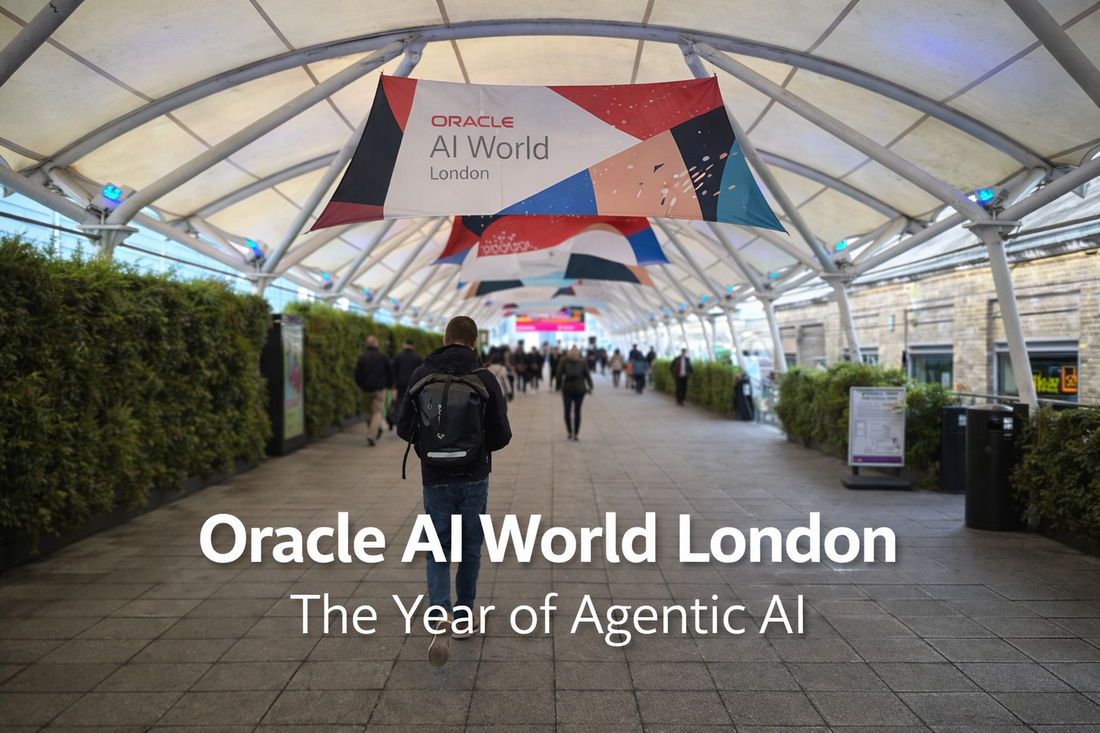
Today I attended Oracle AI World London, and this year’s message was clear from the outset:
This was the year of Agentic AI. Across every layer of the Oracle stack, from database to applications, the focus was on systems that can:
- reason
- decide
- act
What stood out was not just individual announcements, but how consistently this idea showed up:
- in the database, with private agent execution and embedded governance
- in OCI, with a unified platform for models, agents, and control
- in AI Data Platform, with semantic models grounding AI in business meaning
- in Fusion Applications with fully agentic, outcome-driven workflows
This was not a collection of AI features. It was a coordinated move towards agentic enterprise systems.
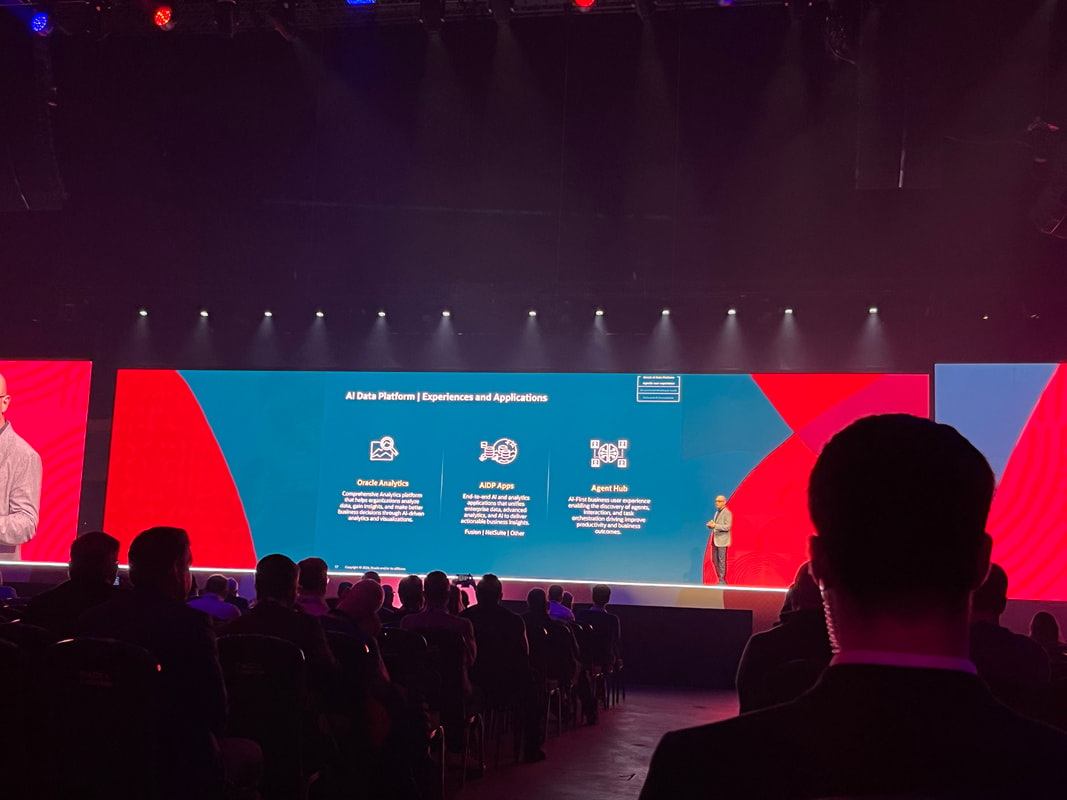
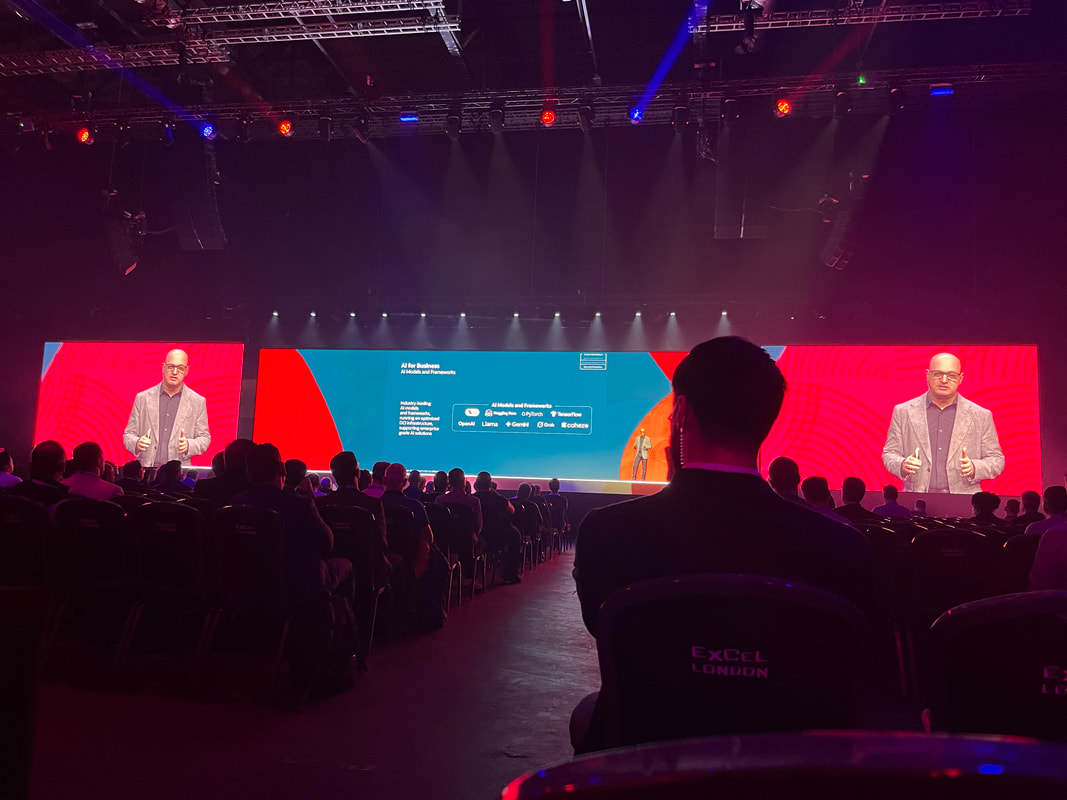
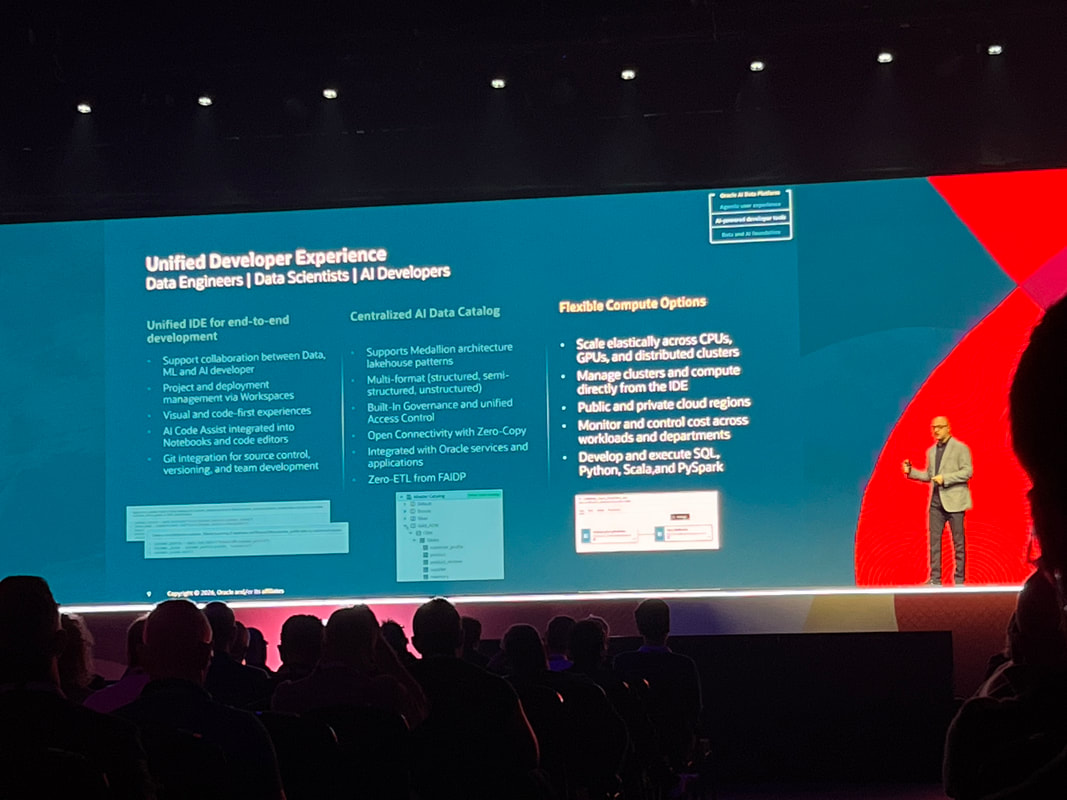
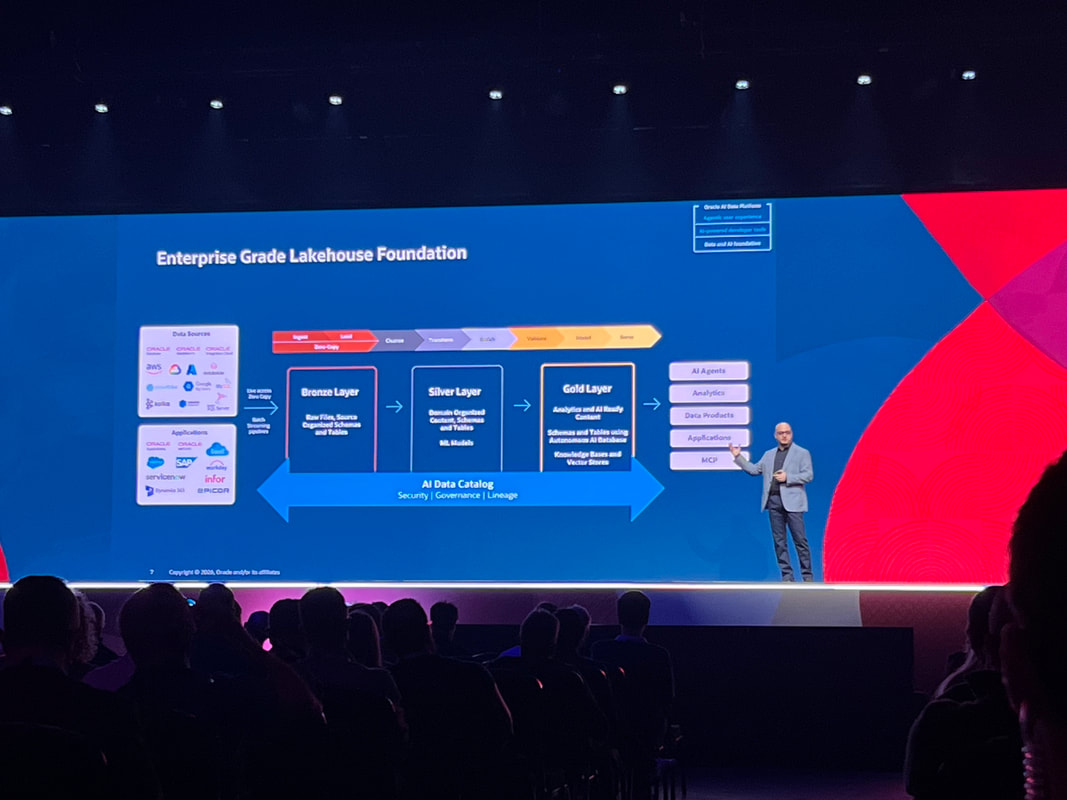
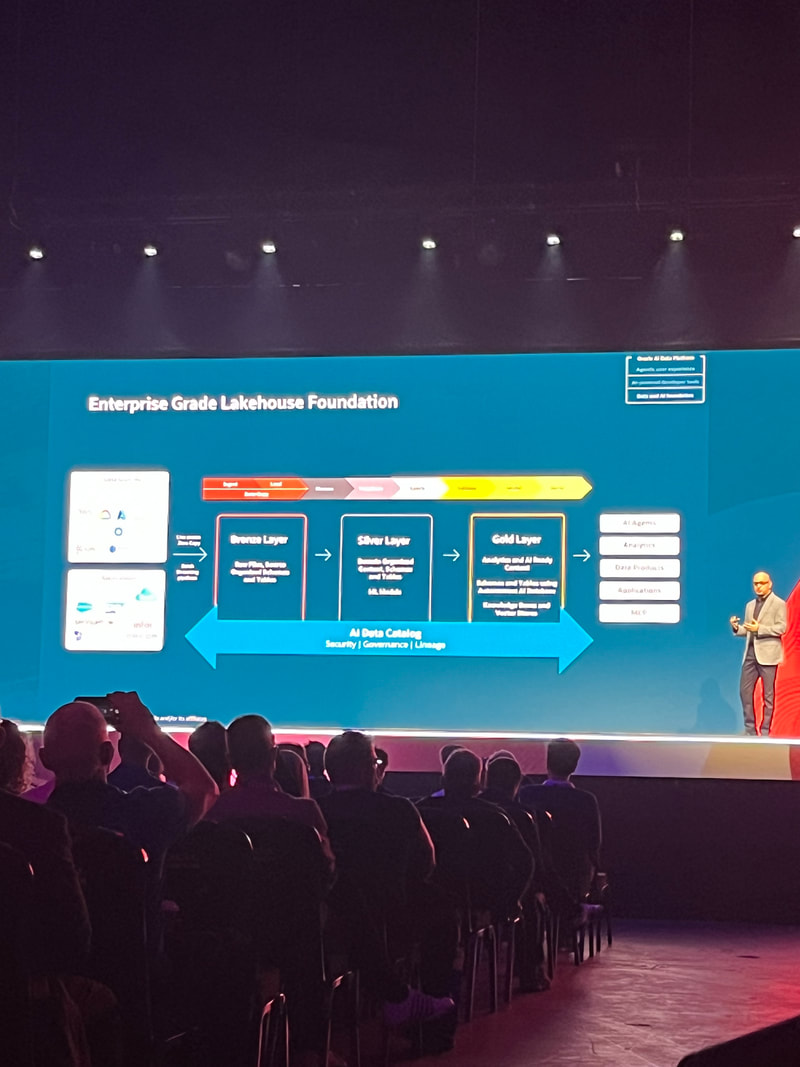
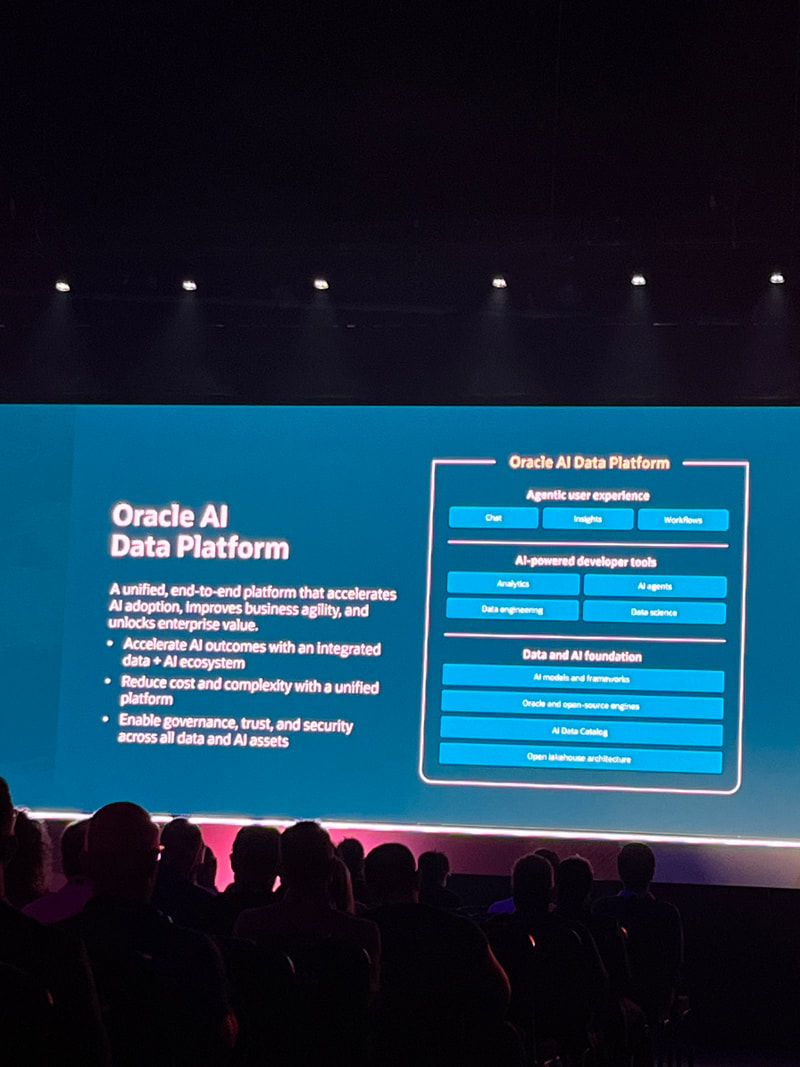
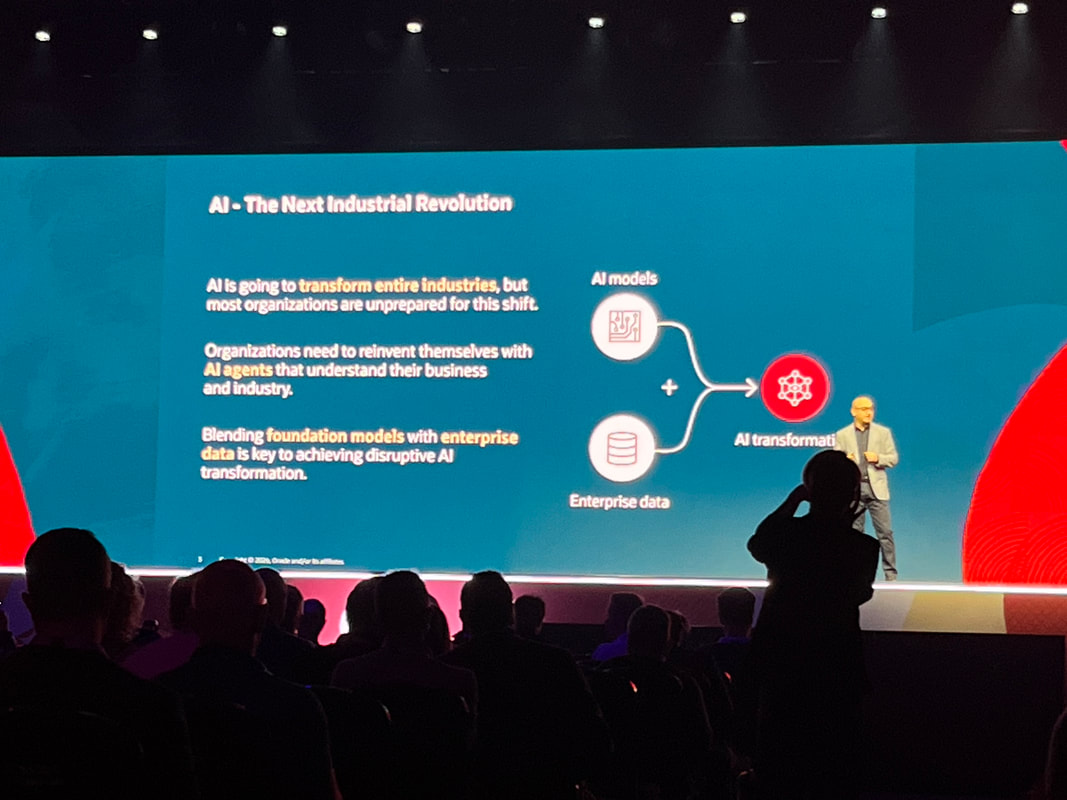
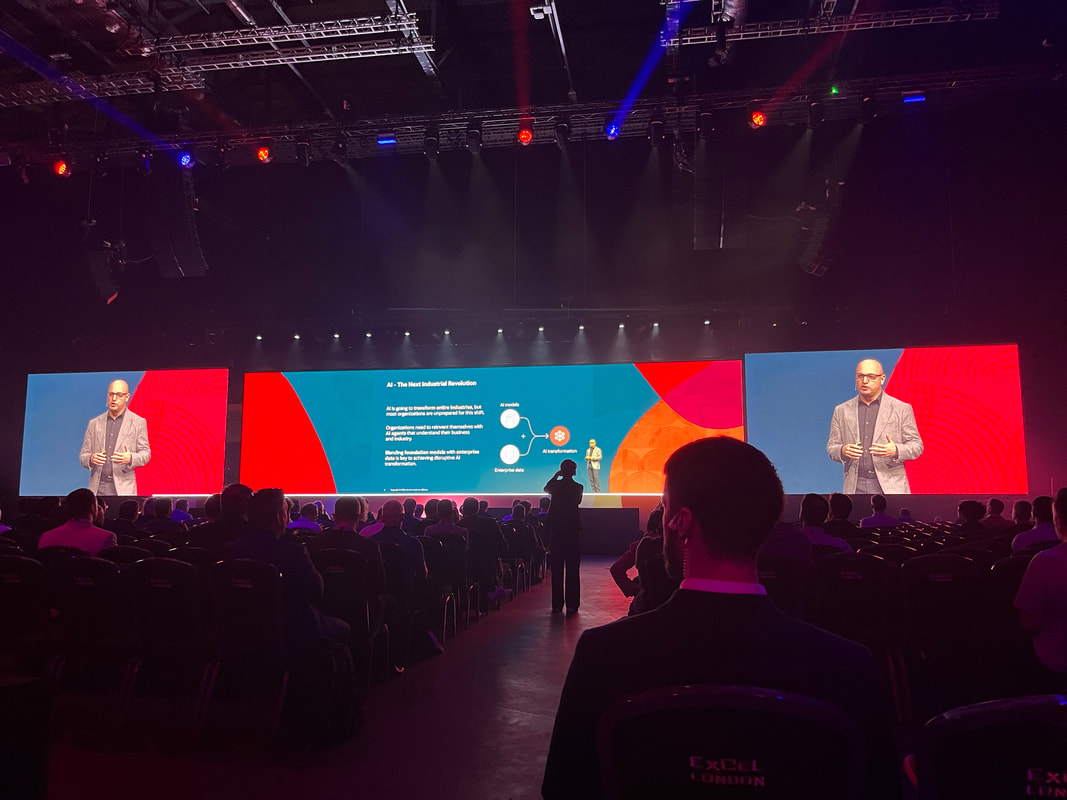

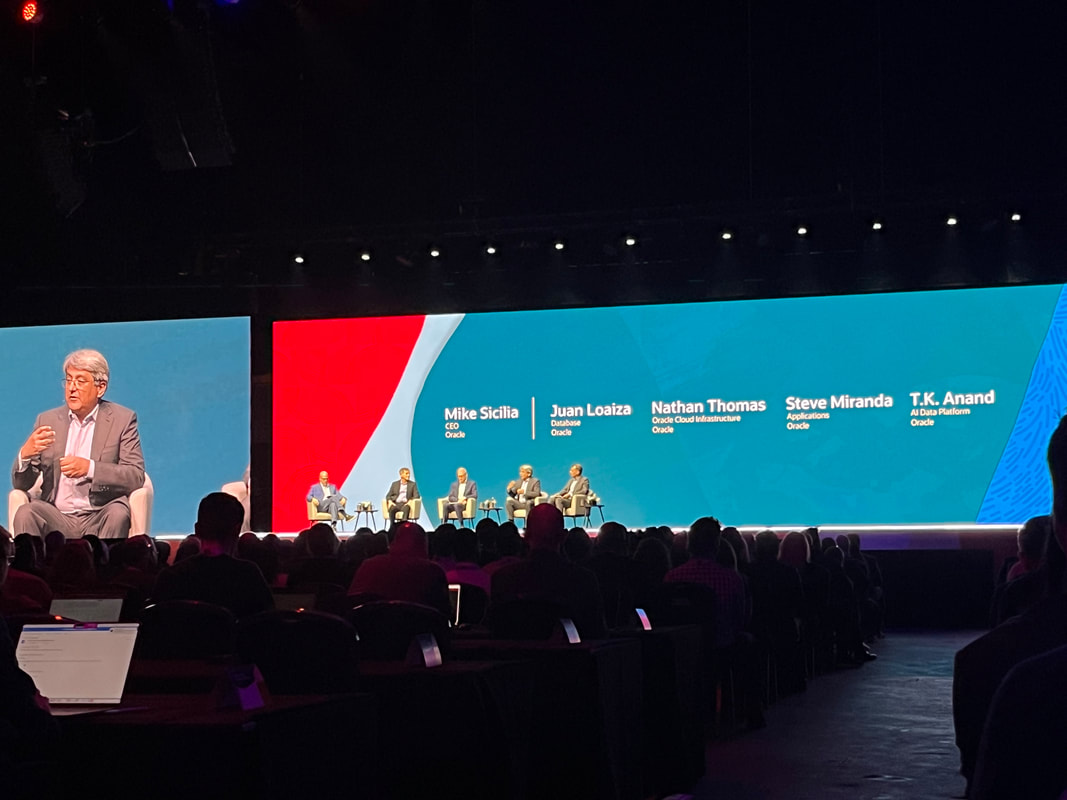
A joined-up Oracle AI story
One thing that stood out to me from the event was that Oracle was not presenting AI as a disconnected layer sitting above the enterprise stack. The keynote message felt much more integrated than that. Applications, database, infrastructure, and data platform were all presented as parts of the same broader enterprise AI story. From the stage content and panel discussions, Oracle’s direction looked clear: enterprise AI needs models, agents, governance, and trusted business data working together rather than as isolated components.
That point matters because it helps explain the shape of the day’s announcements. Rather than one single headline, Oracle presented multiple pieces of an AI operating model: agentic applications at the business layer, agentic innovation in the database, OCI as the enterprise AI platform, and AI Data Platform as the foundation for unifying data and shared business semantics.
Fusion Agentic Applications move beyond copilots
The main SaaS applications announcement was Oracle’s launch of Fusion Agentic Applications. Oracle described these as a new class of enterprise applications powered by co-ordinated teams of specialised AI agents that are outcome-driven, proactive, and reasoning-based. Built into Oracle Fusion Cloud Applications, they are designed to make and execute decisions inside business processes by securely accessing enterprise data, workflows, policies, approval hierarchies, permissions, and transactional context.
For me, this is one of the most significant shifts in Oracle’s applications story. Oracle is now pushing a more ambitious proposition: Agentic AI that does not just help a user think, but can participate in the actual flow of work. That is a meaningful step forward because it moves AI closer to business outcomes rather than keeping it at the level of guidance and suggestion.
Oracle AI Database brings agentic AI and governance together
The database announcements were among the most strategically important parts of the keynote, not just because Oracle introduced new agentic AI capabilities, but because it made a strong case for governance being built directly into the data layer. The message was that AI and enterprise data should be architected together across operational databases and data lakehouses, rather than separated by additional layers of data movement and orchestration.
For me, the most important part of that story was Oracle Deep Data Security. Oracle describes this as database-native, end-user-specific access control, where each end user, or AI agent acting on behalf of that user, can only see the data they are authorised to access. Oracle also positions it as a way to protect against AI-era threats such as prompt injection, while applying least-privilege access and centralising security away from application code. In other words, Oracle is arguing that governance for agentic AI is strongest when it is enforced at the source of the data, inside the database itself.
That feels highly significant in an agentic AI world. If agents are going to query data dynamically and act within real business workflows, then security cannot just sit in the application tier. It needs to be embedded where the data is actually controlled. This was, in my view, one of the clearest and most important database messages of the day.
Alongside that, Oracle also announced AI Database Private Agent Factory, which provides a no-code way to build and deploy data-driven agents and workflows, including prebuilt agents such as Database Knowledge Agent, Structured Data Analysis Agent, and Deep Data Research Agent. That is an important part of the story too, but to me it works best as an enabler within the wider message: Oracle wants the database not just to store business data, but to become a secure execution and control point for enterprise-grade agentic AI.
AI Data Platform and the role of semantics
Another interesting part of the day was how Oracle AI Data Platform sat within the wider message. Oracle’s AI World content says Oracle AI Data Platform unifies enterprise data, applies shared business semantics, and embeds AI directly into workflows. It suggests that AI Data Platform is not just being positioned as storage or plumbing. It is being positioned as part of the grounding layer for enterprise AI, where business meaning is applied to enterprise data before AI is operationalised.
I think this is a point worth dwelling on. If agentic AI is going to operate reliably in enterprise settings, then it needs more than access to raw data. It needs context. It needs meaning. It needs consistent business definitions. That is why semantics matter. In that sense, semantic models are not just an analytics concern. They are part of the enterprise grounding required to make AI outputs more trustworthy and more useful.
OCI Enterprise AI turns the OCI message into something more concrete
The OCI story at Oracle AI World London was not just that OCI underpins enterprise AI. It was that Oracle now has a more concrete way of packaging that story for customers.
With the general availability of OCI Enterprise AI, Oracle is bringing together models, agents, and governance in a single end-to-end developer offering designed to help teams move from experimentation to production faster. Oracle says the service combines AI intelligence, agentic execution, and built-in controls in one simplified environment, with support for both structured and unstructured data.
That matters because one of the biggest barriers to enterprise AI is not access to models, but the complexity of stitching together tools, workflows, deployment patterns, and governance. Oracle’s answer is to package OCI Enterprise AI around three integrated layers: Models, Agents, and Governance.
My takeaway from the day
My biggest takeaway from Oracle AI World London is that Oracle is trying to make AI practical for the enterprise by tying it closely to data, governance, and process.
The headline theme may well have been agentic AI, but the more important point is how Oracle has chosen to bring this to life. Fusion Agentic Applications bring agents into Fusion SaaS business workflows. Oracle AI Database brings agentic execution and governance closer to business data. OCI provides the wider platform layer. Oracle AI Data Platform helps unify enterprise data and apply shared semantics. Together the announcements feel less like a collection of disconnected AI announcements and more like an attempt to define a full enterprise AI stack.